Many homeowners view furnace room fireproofing as a box to check for insurance purposes. However, this work serves a far more important function than paperwork alone. Odyssey General Contracting Ltd. sees this misunderstanding regularly across Calgary properties.
This post explains what fireproofing actually protects against, and why it deserves attention beyond simple compliance.
Why This Misconception Persists
Insurance providers often require documented fireproofing before issuing or renewing certain policies. Specifically, this requirement creates an impression that fireproofing exists primarily to satisfy paperwork rather than genuine safety needs.
Therefore, homeowners sometimes approach this work as a minimum-effort compliance task. Consequently, they miss understanding the actual fire risk this specific area of their home genuinely presents.
In addition, furnace rooms rarely receive much attention otherwise. This combination of low visibility and perceived bureaucratic purpose explains why fireproofing’s real importance often gets overlooked entirely.
What Makes Furnace Rooms Genuinely High Risk
Furnace rooms house equipment that generates significant heat and sometimes open flame, depending on your specific heating system type. Specifically, this concentration of heat sources creates real fire risk if surrounding materials aren’t properly protected.
Furthermore, many furnace rooms double as storage space. Therefore, combustible materials stored nearby compound the risk that proper fireproofing specifically addresses through appropriate barriers and material choices.
Older homes face additional concern too. Consequently, aging wiring or equipment in furnace rooms built decades ago sometimes lacks the safety margins modern fireproofing standards address directly.
What Proper Fireproofing Actually Involves
Fire-rated drywall installation creates a genuine barrier slowing fire spread, rather than simply meeting a checkbox requirement. Specifically, this material differs meaningfully from standard drywall in its fire resistance properties.
Furthermore, proper sealing around penetrations, including pipes and wiring, prevents fire and smoke from spreading through gaps that untreated openings would otherwise allow.
Therefore, comprehensive furnace room fireproofing addresses the entire room systematically, rather than applying minimal treatment just sufficient for an inspection checklist.
Why This Protection Matters Beyond Compliance
Genuine fireproofing buys critical time during an actual fire event. Specifically, slowing fire spread even by minutes can mean the difference between minor damage and a home completely lost.
Furthermore, this protection matters for everyone in your home, not just your insurance relationship. Therefore, viewing fireproofing as life safety, rather than paperwork, reflects its actual function more accurately.
In addition, proper fireproofing protects your broader property investment too. Consequently, containing fire to its origin point limits damage extent significantly compared to inadequate or absent protection.
Signs Your Furnace Room Might Need Attention
Check for any visible gaps around pipes or wiring penetrations. Specifically, these openings represent exactly the kind of vulnerability proper fireproofing addresses directly through careful sealing work.
Furthermore, older homes with original, non-fire-rated materials in this space deserve evaluation. Therefore, even homes without obvious problems sometimes benefit from updating to current fireproofing standards.
If your home has undergone other significant changes, like furnace replacement or interior services renovation work nearby, this represents a natural opportunity to evaluate furnace room protection too.
Considering Your Whole Property’s Safety
Fireproofing represents one piece of comprehensive property safety. Specifically, property maintenance services help homeowners address multiple safety and upkeep concerns together, rather than treating each issue separately.
Similarly, if you’re addressing exterior services work, this often presents a good opportunity to evaluate interior safety concerns simultaneously during the same general contractor relationship.
Beyond Fire Safety: Other Overlooked Home Concerns
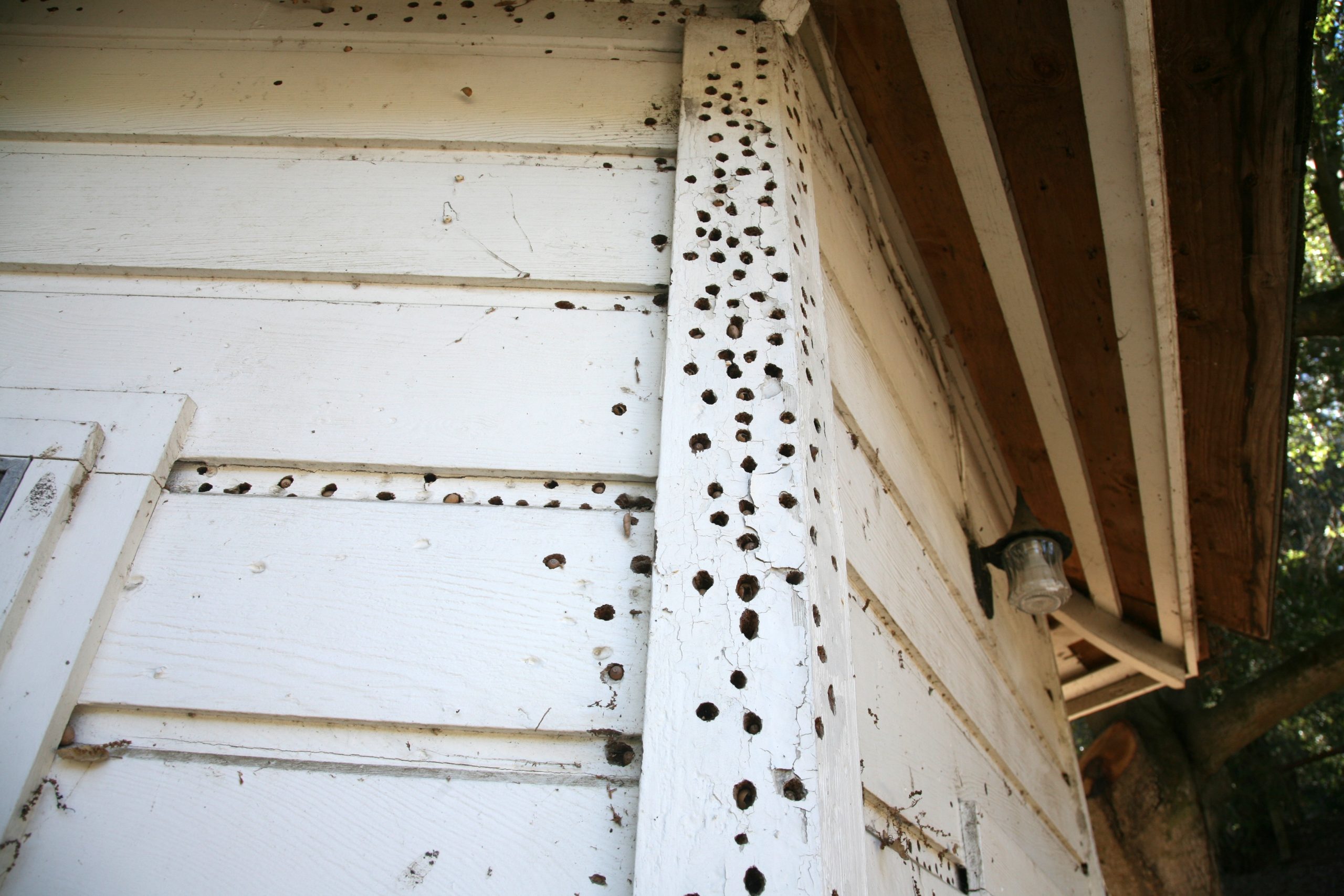
Some home vulnerabilities hide in plain sight, similar to furnace room risks. For example, woodpecker hole repairs address exterior damage that homeowners sometimes underestimate until it compounds significantly over time.
Taking Fireproofing Seriously
Furnace room fireproofing deserves attention as genuine safety infrastructure, not simply a compliance formality. Therefore, understanding its real function helps homeowners prioritize this work appropriately.
Odyssey General Contracting Ltd. completes fireproofing work that genuinely protects your home, not just paperwork that satisfies minimum requirements.
Ready to ensure your furnace room offers real protection? Reach out today, and we’ll assess what your specific space actually needs.
Frequently Asked Questions
Is furnace room fireproofing only required for insurance purposes?
While insurance often requires documentation, fireproofing serves genuine safety functions. It slows fire spread, protecting both your home and the people living in it.
What materials are typically used in proper fireproofing work?
Fire-rated drywall and proper sealing around pipe and wiring penetrations form the core of effective fireproofing, creating genuine barriers rather than minimal compliance measures.
Do older homes need updated fireproofing even without visible problems?
Often, yes. Original materials in older furnace rooms sometimes lack current fire-resistance standards, making evaluation worthwhile even without obvious damage or visible gaps.
Can fireproofing actually prevent a fire from spreading throughout my home?
It significantly slows spread rather than guaranteeing complete prevention. This time difference often proves critical for safe evacuation and limiting overall property damage.
Should I fireproof my furnace room even if my insurance doesn’t require it?
Yes. Genuine safety benefits exist independent of insurance requirements. Protecting your home and family matters regardless of what specific paperwork insurance currently mandates.